
Talking to Your Children About Adopting a Sibling
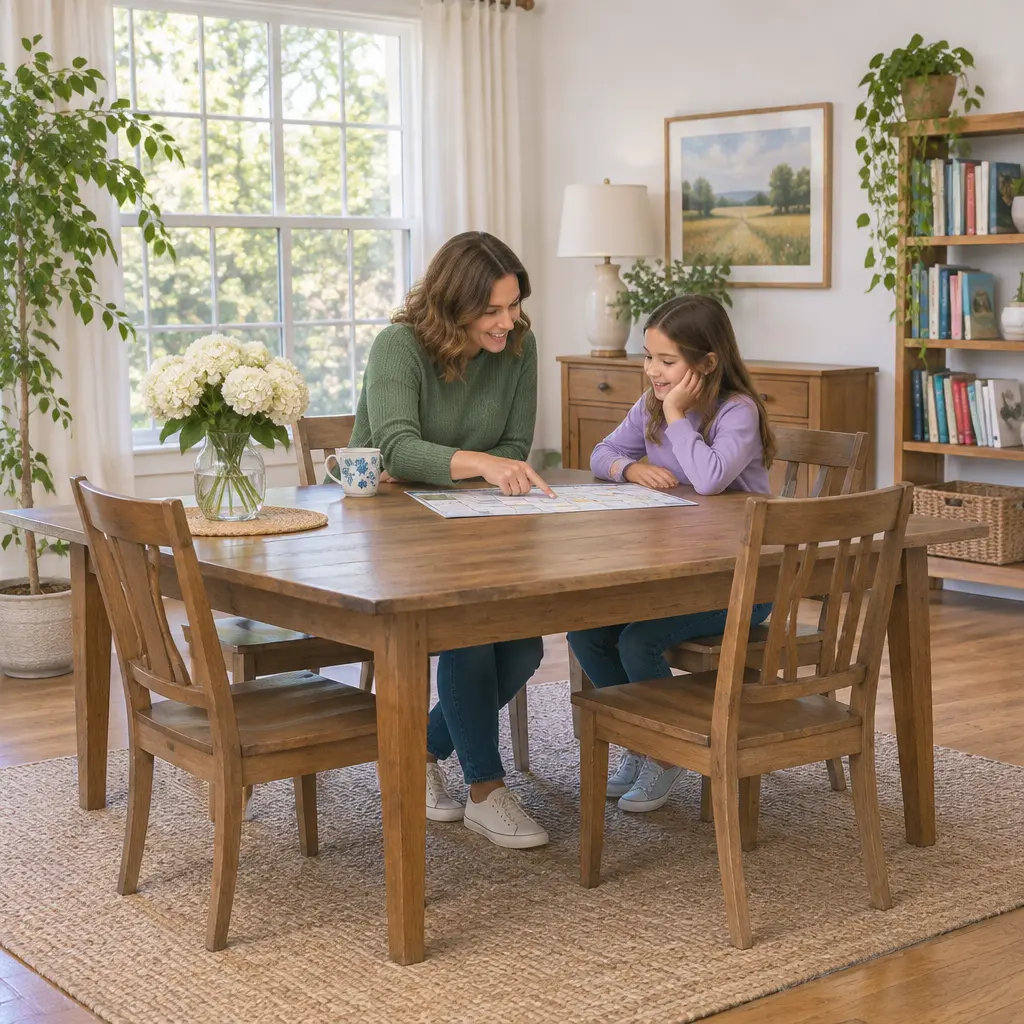
Adopting a sibling can change a child’s family, routines, and sense of security, so talking about it should be an ongoing, age-appropriate conversation—not a single announcement. Sibling adoption means welcoming a child through adoption into a family where a child already lives; the children may share a biological parent, or they may become siblings through the adoption without being biologically related. Child-welfare guidance emphasizes honest, developmentally appropriate communication, preparation for changes, and continued attention to each child’s individual needs. These conversations matter in a country where the U.S. Department of Health and Human Services reported 54,240 children adopted from foster care in fiscal year 2023. Parents can help by explaining what is known, listening without judgment, making room for mixed feelings, and offering practical ways to prepare—while avoiding promises about timelines or outcomes the adults cannot control.
Explaining Sibling Adoption to Your Child
Sibling adoption is the legal process by which a child joins a family as an adopted son or daughter and becomes the sibling of a child already in that household. The term can describe several situations: adopting a child who is biologically related to the child at home, adopting a child who already has a relationship with the family, or adopting a child with no biological connection to the existing child. Each situation calls for clear explanations that fit the children’s ages and the facts they are entitled to know.
The Child Welfare Information Gateway, a service of the U.S. Children’s Bureau, advises families to talk openly and honestly about adoption, use language children can understand, and revisit the subject as they grow. In practice, this means telling your child what the adults know, identifying what remains uncertain, and separating the adoption decision from any expectation that the children must immediately feel close. A new child may need time, privacy, and support; the child already at home may also need reassurance that their place in the family remains secure.
Biological siblings adopted together or separately
Biological siblings share one or both birth parents. They may be placed together, or they may join different families and later become part of a sibling adoption or kinship arrangement. When children already share a biological connection, explain it simply and respectfully, without treating that connection as a guarantee of instant closeness. Their history may include experiences and relationships that the child at home does not share.
Federal child-welfare guidance recognizes the importance of sibling relationships in foster care and encourages agencies to consider keeping siblings together when it is safe and appropriate. That does not mean a joint placement is always possible or best for every child; individual safety, needs, and circumstances matter. Tell your child only information the adoption professionals have confirmed, and protect the privacy of the child joining the family.
Adoptive siblings without a biological connection
An adoptive sibling is a child who becomes a brother or sister through a parent’s adoption, whether or not the children are biologically related. A plain explanation might be: “We are hoping to welcome a child into our family through adoption. If the adoption happens, you will be siblings because we will be their parents too.” This gives the child a truthful starting point without implying that affection or shared interests will appear right away.
Avoid language that ranks children by biology, describes one child as a “real” sibling and another as less real, or frames adoption as a rescue story. Adoption is a family-building process, not a promise that the new child will feel grateful or that the children will quickly become best friends. Use the names and terms the child joining the family prefers, in consultation with their caregivers and professionals.
Preparing Children for the Changes Adoption May Bring
Preparation means helping children understand likely changes while being candid about uncertainties. A new sibling can affect bedroom arrangements, schedules, parental attention, household rules, and family activities. The adoption process may also involve meetings, visits, paperwork, or delays. Describing these possibilities in manageable pieces can help children form realistic expectations and ask questions before the household changes.
The U.S. Children’s Bureau’s foster-care reporting shows that adoption from care remains a significant pathway to permanency: 54,240 children were adopted from foster care in fiscal year 2023. The figure describes children adopted from foster care nationally; it does not indicate how many were adopted into families where a child was already living. For a family, the relevant preparation is the specific child’s needs and the plan developed with the adoption agency, not a national average.
Explain what is known—and what is not
Children often want concrete answers: “When will they come?” “Will we share a room?” “Will you still read to me?” Answer directly when you can. When you cannot, say so plainly: “We don’t know the date yet. The adults will tell you when we have reliable information.” Avoid promising that the adoption will happen, that a child will move in by a certain day, or that routines will remain unchanged unless those details are confirmed.
A simple timeline can distinguish steps that are planned from those that are uncertain. For example, explain that the family may first learn about the child, then meet or visit, and later receive an update from the agency. The sequence varies by case and jurisdiction, so use the professionals’ guidance rather than presenting a general process as a guarantee.
Discuss routines, space, and family rules
Practical preparation gives children a sense of what may change. Talk about where each child will sleep, which belongings are private, how shared spaces will work, and which routines the family hopes to keep. Some children benefit from a visual calendar or a simple family plan, especially when adults can mark confirmed events separately from possibilities.
Be careful not to make the child already at home responsible for the new child’s adjustment. The existing child can help choose a book or welcome activity if they want to, but caregiving, behavior management, and emotional support remain adult responsibilities. Likewise, do not require the children to share a room or possessions simply to demonstrate that they are becoming close.
Making Space for Feelings and Questions
Children may feel excited, curious, worried, jealous, protective, or indifferent—and may move among these feelings. Listening without correction helps them speak honestly. The American Academy of Pediatrics encourages parents to take children’s feelings seriously, respond calmly, and provide reassurance through attention and dependable care. In an adoption transition, that means acknowledging a feeling without labeling the child selfish or expecting them to be happy about every change.
Children also differ in how they express concern. One may ask direct questions; another may become quiet, act out, seek extra reassurance, or return to behaviors they had outgrown. These responses are not, by themselves, proof that adoption is failing. Notice patterns, keep communication open, and consult the child’s pediatrician, therapist, or adoption professional if distress is persistent, intense, or affecting daily life.
Invite questions without forcing a reaction
A useful opening is: “What are you wondering about?” Follow it with a specific invitation if needed: “Is there anything you’re worried might change?” Give your child time to answer, and return to the conversation later. Some children need repeated, brief talks rather than one long discussion. Make clear that they can ask questions even if the adults do not yet have every answer.
Respond to difficult questions with honesty and care. If your child asks whether the new sibling will be “good,” explain that every child has strengths and struggles, and that adults will help everyone adjust. If they ask whether you will love them less, reassure them directly that your love and responsibility toward them are not being replaced. Avoid guaranteeing equal attention at every moment; instead, promise that their needs will continue to matter and identify how you will protect regular time together.
Protect privacy while building trust
Privacy means sharing enough to prepare your child while keeping the joining child’s personal history confidential. Information about trauma, birth-family relationships, health, or the reasons for placement belongs to the child and should be shared only when appropriate and authorized. Tell your child that some questions may have answers the family cannot share, and that respecting privacy is part of treating a sibling with care.
The Child Welfare Information Gateway emphasizes truthful, age-appropriate adoption communication. Honesty does not require giving children every detail. A parent can say, “That is private information about your sibling. If there is something you need to know to stay safe or understand a family change, we will explain it.” This approach protects the new child’s dignity while showing the child at home that adults will not mislead them.
Supporting the Sibling Relationship After Placement
A sibling relationship develops through ordinary experiences, dependable boundaries, and adult support—not through a single welcome event. Children may connect through play, shared routines, or quiet time, but they may also need separate spaces and individual attention. A realistic goal is a safe, respectful household where relationships can grow at their own pace, rather than immediate closeness.
Adoption-competent professionals can help parents plan for the children’s different histories, temperaments, and support needs. Ask the adoption worker what transitions are expected, how visits and introductions should be handled, and whom to contact if the children struggle. The right plan depends on the children and the circumstances; it should be reviewed as the family learns what works.
Preserve one-on-one time and individual identities
One-on-one time is protected time with each child, separate from sibling activities. Keep familiar rituals when possible, such as a bedtime story, a weekly outing, or a short daily check-in. These moments communicate that each child is valued as an individual. Do not assume that the child already at home needs less support because they have lived with the family longer, or that the adopted child should be treated exactly like everyone else regardless of individual needs.
Children should not be compared or asked to compete for attention. Praise specific actions—such as taking turns or asking for space—rather than assigning fixed roles like “the easy one” or “the responsible big sibling.” Avoid asking one child to explain the other’s behavior or history. Parents remain responsible for setting expectations and addressing conflicts fairly.
Plan introductions and seek support early
Introductions should follow the adoption professional’s plan and account for the children’s ages, safety, and comfort. Before a meeting, explain what is likely to happen, how long it may last, and what each child can do if they feel overwhelmed. Afterward, ask open questions such as, “What stood out to you?” rather than asking whether they liked the other child or whether they are now excited.
If conflict, anxiety, sleep difficulties, or withdrawal continue, seek guidance rather than expecting children to resolve everything alone. A pediatrician, licensed mental-health professional with adoption experience, or the adoption agency can help assess needs and recommend support. In the United States, families can also ask their state or local child-welfare agency about post-adoption services; availability varies by location and eligibility.
Conclusion: Keep the Conversation Open
Talking with your child about adopting a sibling means explaining what sibling adoption is, preparing for possible changes, making room for mixed feelings, and supporting the relationship after placement. Use accurate, age-appropriate language; distinguish confirmed plans from uncertainty; protect the joining child’s privacy; and reassure your child through dependable attention rather than promises you cannot guarantee. Adoption from foster care involved 54,240 children in fiscal year 2023, according to the U.S. Department of Health and Human Services, but each family’s transition is individual.
Start with a short, honest conversation and invite questions over time. Work closely with the adoption agency and seek adoption-informed support when needed. Further reading from the Child Welfare Information Gateway and the American Academy of Pediatrics can help parents tailor conversations to children’s developmental stages and family circumstances.
Sources: U.S. Department of Health and Human Services, Administration for Children and Families, Adoption and Foster Care Analysis and Reporting System (AFCARS) Report, 2023, https://www.acf.hhs.gov/cb/report/afcars-report-31; Child Welfare Information Gateway, Talking to Your Child About Adoption, https://www.childwelfare.gov/resources/talking-your-child-about-adoption/; Child Welfare Information Gateway, Sibling Issues in Foster Care and Adoption, https://www.childwelfare.gov/resources/sibling-issues-foster-care-and-adoption/; American Academy of Pediatrics, HealthyChildren.org, Helping Children Adjust to a New Baby, https://www.healthychildren.org/English/ages-stages/prenatal/Pages/Preparing-Your-Family-for-a-New-Baby.aspx.
Related Post

Education And Training Programs Agencies Provide
Education and training program agencies are public, nonprofit, educational, and private organizations that design, fund, [...]