
Trauma-Informed Parenting Recognizing Behavioral Cues As Survival Responses Not Defiance
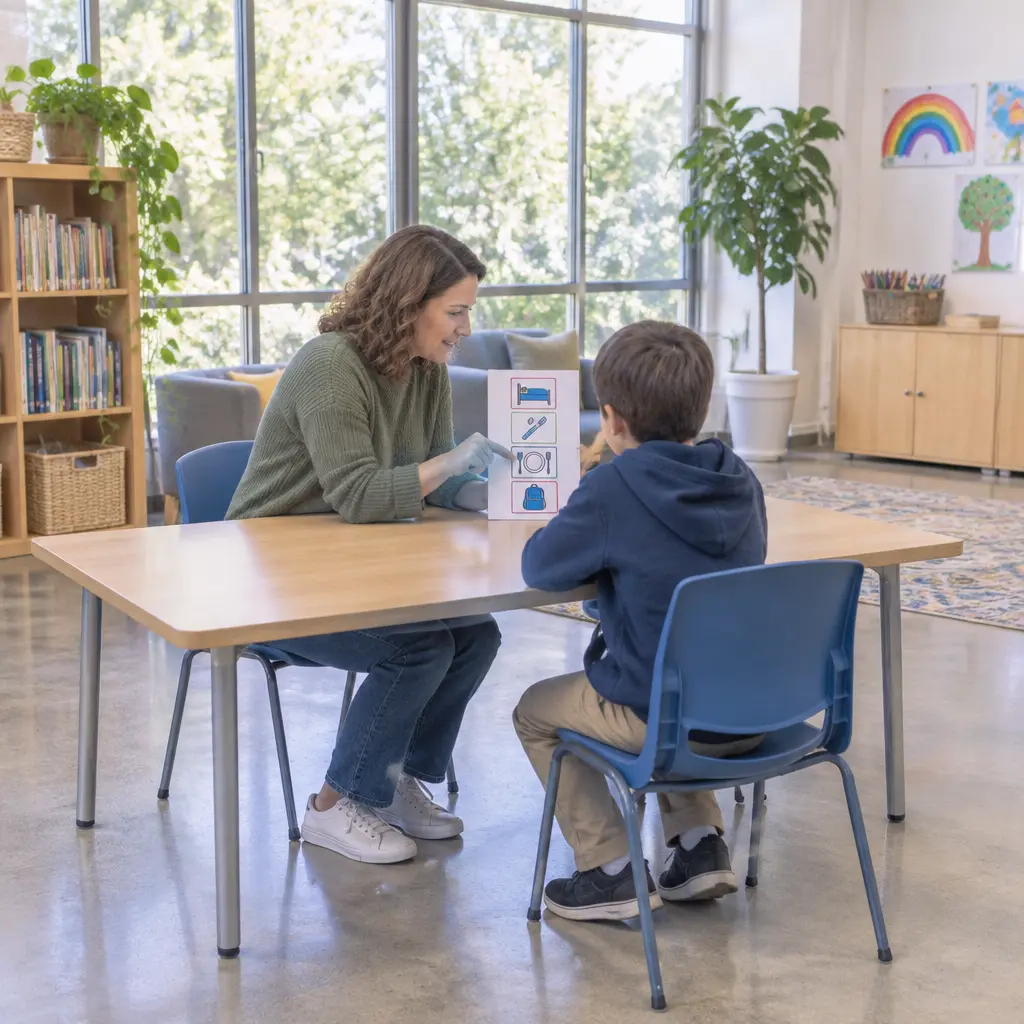
Trauma-informed parenting starts with a useful shift in perspective: a child’s behavior may be a survival response shaped by stress or past adversity, rather than deliberate defiance. Trauma can affect how children interpret safety, manage emotions, and respond to adults, but no single behavior proves that a child has experienced trauma. Recognizing patterns, responding calmly, and seeking appropriate support can help caregivers build safety without excusing harmful behavior. This article explains how trauma-related cues may appear, how to distinguish observation from diagnosis, and how to respond with connection, predictable limits, and professional guidance.
Trauma-informed parenting recognizes behavioral cues as possible survival responses
The National Child Traumatic Stress Network describes childhood traumatic stress as occurring when exposure to traumatic events overwhelms a child’s ability to cope. Trauma-informed parenting applies that understanding at home: caregivers consider whether a child’s reactions may reflect fear, overwhelm, or learned protection, while still setting safe and consistent boundaries. The Substance Abuse and Mental Health Services Administration (SAMHSA) frames a trauma-informed approach around recognizing trauma’s effects, responding in ways that account for them, and resisting practices that may retraumatize people.
Trauma is not the only explanation for challenging behavior. Developmental stage, disability, sleep problems, medical conditions, family stress, and other circumstances can also contribute. The Centers for Disease Control and Prevention (CDC) estimates that about 64% of U.S. adults reported experiencing at least one type of adverse childhood experience (ACE) before age 18, based on data from 25 states in 2015–2017. This population-level finding underscores the relevance of supportive responses; it does not diagnose any individual child or establish that all ACEs have identical effects.
What “survival response” means
A survival response is an automatic reaction to perceived threat or intense stress. Common shorthand includes fight, flight, freeze, and fawn—terms used to describe patterns such as pushing back, escaping, becoming still or unresponsive, or trying to appease others. These labels can help adults consider what a child might be experiencing, but they are not a diagnosis and should not be used to classify a child from one incident.
Why behavior alone cannot confirm trauma
A tantrum, avoidance, aggression, or silence can have many causes. The National Child Traumatic Stress Network cautions that children’s reactions vary by age, experience, and available support. Caregivers can note what happened before and after a behavior, how often it occurs, and whether it appears in particular settings, then share those observations with a pediatrician or qualified mental-health professional. Avoid asking leading questions or pressuring a child to disclose an experience.
Behavioral cues can point to stress, but they require context
A cue is an observable change or recurring pattern—not proof of its cause. The American Academy of Pediatrics (AAP) notes that trauma-related stress may affect children’s emotions, behavior, relationships, and physical well-being. For caregivers, the practical task is to notice changes, consider context, and respond in a way that protects safety and dignity.
Fight-like cues: opposition, anger, or aggression
A child who argues, hits, throws objects, or reacts intensely to correction may be overwhelmed or trying to regain a sense of control. These actions still need clear limits: adults should prevent injury, state the boundary briefly, and avoid humiliation or threats. After everyone is calm, caregivers can help the child identify feelings, repair harm, and practice a safer response.
Flight-like cues: avoidance, escape, or restlessness
Leaving a room, refusing a task, hiding, or seeming unable to settle can sometimes function as an attempt to get away from distress. A caregiver can make expectations manageable, offer a short regulated break when safe, and give advance notice before transitions. Repeated avoidance that interferes with daily life deserves discussion with a pediatrician or mental-health professional rather than escalating punishment alone.
Freeze-like cues: withdrawal, shutdown, or difficulty responding
Some children become quiet, appear “checked out,” struggle to answer, or have difficulty starting a task when distressed. This may be mistaken for indifference or noncompliance. Use a calm voice, allow extra processing time, reduce unnecessary demands, and offer simple choices. If a child is unusually difficult to rouse, confused, or physically unwell, seek medical advice promptly; do not assume the cause is psychological.
Appeasing cues: people-pleasing and difficulty saying no
A child may quickly agree, apologize repeatedly, or closely monitor an adult’s mood. Such behavior can reflect temperament, social learning, or a wish to avoid conflict; it does not by itself establish a trauma history. Caregivers can reassure children that respectful disagreement is allowed, avoid making affection conditional on compliance, and teach age-appropriate body boundaries and help-seeking.
Caregiver responses can build safety and preserve boundaries
A trauma-informed response is not permissiveness. It combines emotional connection with predictable limits, adjusts expectations to a child’s developmental capacity, and prioritizes immediate safety. The AAP’s trauma-informed guidance emphasizes supportive relationships and attention to the effects of adversity; SAMHSA’s framework similarly calls for safety, trustworthiness, collaboration, empowerment, and attention to cultural and historical context.
Regulate first, then teach
When a child is highly distressed, lengthy explanations and consequences may not be effective. A caregiver can first lower their voice, reduce stimulation, create physical space where safe, and use brief statements such as, “I won’t let you hit. I’m here to help you calm down.” Teaching, problem-solving, and restitution generally work better after the child has regained enough calm to participate.
Use predictable routines and limited choices
Predictability can reduce uncertainty. Simple routines, advance warnings, and consistent follow-through help children understand what comes next. Offering two acceptable choices—“Would you like to put on your shoes here or by the door?”—supports a sense of agency without removing the adult’s responsibility to keep the child safe.
Set boundaries without shame
A boundary describes what an adult will do to keep people safe; it does not require labeling the child as “bad” or “manipulative.” For example: “You can be angry, and I won’t let you throw the chair. I’m moving it away.” Consequences should be proportionate, related to the behavior where possible, and explained calmly. Repair can include checking on someone who was hurt, helping restore a damaged item, or practicing a safer alternative.
Track patterns rather than assigning motives
A brief behavior log can record the situation, observable action, duration, what helped, and what happened afterward. Avoid conclusions such as “seeking attention” unless a professional assessment supports that interpretation. Patterns across time and settings can help a clinician consider trauma alongside other developmental, medical, and environmental explanations.
Professional support helps when distress is persistent or unsafe
Caregivers do not need to determine whether trauma occurred before asking for help. Consult the child’s pediatrician or a licensed mental-health professional when distress persists, disrupts sleep, school, relationships, or everyday activities, or includes repeated aggression, severe withdrawal, or other concerning changes. A clinician can assess the child’s needs, consider alternative explanations, and recommend evidence-based care. The National Child Traumatic Stress Network’s Child Trauma Toolkit for Educators and its resources for families can also help adults understand common reactions and plan supportive next steps.
If a child discloses abuse or another immediate danger, listen calmly, affirm that telling was the right thing to do, avoid investigating or asking leading questions, and contact appropriate local child-protection or emergency services. If there is immediate risk of serious injury, call emergency services. Caregivers should also seek support for themselves: adult stress can make calm, consistent responses harder, and parenting support is a practical part of a safety plan.
Conclusion: interpret cues with curiosity, respond with safety
Trauma-informed parenting treats behavioral cues as information to understand, not evidence of deliberate defiance or proof of a particular history. Survival-response language can help caregivers consider fight-like, flight-like, freeze-like, or appeasing patterns, while careful observation prevents premature labeling. Calm regulation, predictable routines, respectful boundaries, and timely professional support can help children feel safer and learn skills over time. Start by noticing one recurring pattern, recording what surrounds it, and discussing persistent concerns with a pediatrician or qualified clinician.
Sources: Centers for Disease Control and Prevention, About Adverse Childhood Experiences, https://www.cdc.gov/aces/about/index.html; Substance Abuse and Mental Health Services Administration, SAMHSA’s Concept of Trauma and Guidance for a Trauma-Informed Approach, https://store.samhsa.gov/sites/default/files/sma14-4884.pdf; National Child Traumatic Stress Network, What Is Child Traumatic Stress?, https://www.nctsn.org/what-is-child-trauma/about-child-trauma; National Child Traumatic Stress Network, Child Trauma Toolkit for Educators, https://www.nctsn.org/resources/child-trauma-toolkit-educators; American Academy of Pediatrics, Trauma-Informed Care, https://www.aap.org/en/patient-care/trauma-informed-care/
Related Post

Practical Strategies For Responding With Patience And Calm
Patience and calm in responding describe the learned ability to pause, regulate emotional arousal, understand [...]

Choosing The Right Country Program For Your Family
Choosing the right country program for a family means matching an immigration pathway’s eligibility rules, [...]

Talking Through Doubt Without Judgment or Pressure
Talking through doubt without judgment or pressure means making room for uncertainty while listening with [...]